


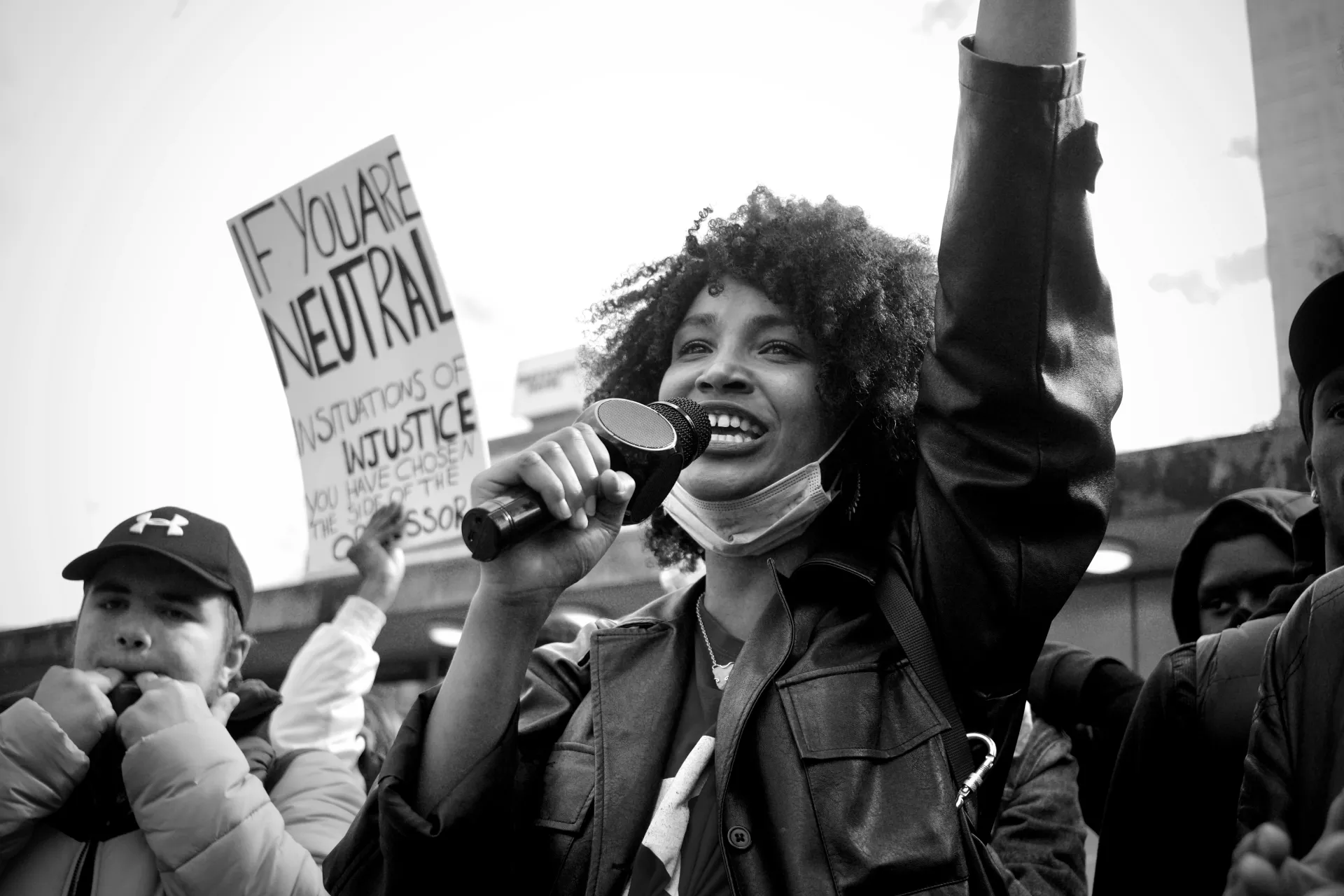
By any measurable standard—economic, environmental, psychological—today’s young people are coming of age in one of the most destabilized periods in modern history. Yet when they express fear or anger, they are often dismissed as fragile, entitled, or overly sensitive.
But beneath the headlines and hashtags lies a serious and urgent question many young people are asking:
Why are you killing us?
This is not hyperbole. It is a reflection of lived experience.
A Childhood Shaped by Crisis
For many in Gen Z and younger millennials, crisis has been constant. School shootings turned classrooms into sites of fear. Active-shooter drills became routine. The COVID-19 pandemic disrupted education, mental health, and formative years of social development. Climate disasters—wildfires, floods, heatwaves—shifted from distant tragedies to recurring realities.
These events are not isolated. They are cumulative. Each one reinforces a message: the systems meant to protect us are failing.
When young people ask, “Why are you killing us?” they are speaking to policymakers who delay gun reform, to corporations that continue environmentally destructive practices, and to institutions that prioritize profit over public well-being.
Economic Instability as Inheritance
This generation entered adulthood during or after the Great Recession, only to be met with a pandemic-induced downturn years later. Wages have stagnated relative to living costs. Housing affordability has declined in many urban centers. Student debt burdens millions.
The promise long offered—work hard and you will succeed—feels increasingly unattainable. Many young adults delay homeownership, family formation, or even basic financial stability. Economic insecurity is not just a financial issue; it is a psychological one. Chronic instability erodes optimism.
Climate Anxiety Is Not Irrational
Perhaps nowhere is the generational divide clearer than in climate discourse. Scientific consensus warns of escalating environmental damage. Young people witness record-breaking temperatures, extreme weather events, and biodiversity loss in real time.
To them, climate change is not theoretical. It is existential.
When governments continue to approve fossil fuel projects or delay aggressive climate action, the message received is stark: short-term economic gain outweighs long-term survival.
That feels, to many, like a death sentence written in policy language.
Mental Health in a Hyperconnected World
Social media has amplified awareness of injustice—but it has also intensified comparison, polarization, and exposure to trauma. This generation consumes global tragedy daily, often without institutional support to process it.
Rates of anxiety and depression have risen among adolescents and young adults over the past decade. While multiple factors contribute to this trend, the broader climate of instability cannot be ignored.
To dismiss these concerns as weakness misses the larger structural context in which they arise.
The Question Beneath the Question
“Why are you killing us?” is not merely accusatory. It is a plea for accountability.
It is a demand that leaders reconcile rhetoric with action.
It is a request for structural reform in areas such as:
-
Gun legislation
-
Climate policy
-
Economic equity
-
Healthcare accessibility
-
Education affordability
It reflects frustration with incrementalism in the face of urgent problems.
A Generation Demanding Participation
Despite narratives of apathy, younger generations are politically and socially engaged. They mobilize through digital platforms, organize protests, and advocate for systemic change. They are redefining workplace expectations, challenging traditional norms, and demanding transparency.
Their activism signals not nihilism, but investment. If they believed the future was irredeemable, they would disengage. Instead, they are pushing for reform.
Moving From Defense to Dialogue
Older generations often respond defensively to criticism, interpreting it as personal blame. But systemic critique is not generational condemnation. It is a call to collective responsibility.
The question should not be met with dismissal, but with introspection:
-
Are public policies aligned with long-term well-being?
-
Are economic systems sustainable for future generations?
-
Are institutions adapting to contemporary realities?
The generational tension we see today is not inevitable. It stems from misalignment between power and consequence—those making decisions often do not live long enough to experience their full impact.
Conclusion: From Accusation to Action
“The Generation of Pain” is not defined solely by suffering. It is defined by awareness. Young people today are acutely conscious of the structural forces shaping their lives.
When they ask, “Why are you killing us?” they are articulating a broader demand: Choose differently.
Choose policies that prioritize sustainability over short-term profit.
Choose safety over political stalemate.
Choose affordability over extraction.
Choose long-term survival over convenience.
The question is not whether this generation is too sensitive.
The question is whether those in power are listening.