


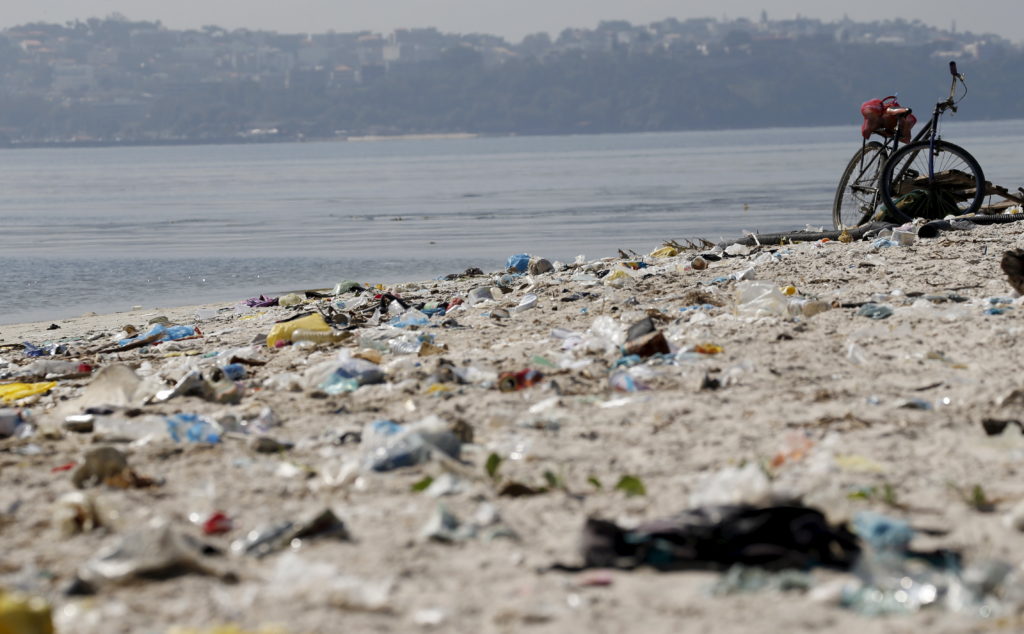
Environmental reports released over the past year paint a clear and urgent picture: climate change is accelerating, and its impacts are becoming more widespread, intense, and costly. From extreme weather events to ecosystem collapse and rising food insecurity, the latest findings confirm that climate risks are no longer theoretical — they are shaping everyday life across the globe.
This article summarizes the most important insights from recent environmental and climate reports.
Extreme Weather Is Becoming the New Normal
Recent climate assessments confirm a sharp increase in the frequency and severity of extreme weather events. Heatwaves, droughts, floods, and wildfires are occurring more often and lasting longer than historical averages.
Scientists note that many regions are now experiencing climate conditions once expected decades into the future. These events are placing unprecedented pressure on infrastructure, agriculture, emergency services, and natural ecosystems.
Wildlife habitats are also under severe strain, with prolonged droughts and temperature extremes contributing to species loss and ecosystem imbalance.
Rising Temperatures and Global Warming Trends
Global temperatures continue to climb, with multiple recent years ranking among the hottest ever recorded. Climate models show that current national commitments to reduce greenhouse gas emissions remain insufficient to prevent dangerous levels of warming.
Without deeper and faster emissions cuts, the world is projected to exceed internationally agreed temperature limits, increasing the risk of irreversible climate tipping points such as ice sheet collapse and rainforest dieback.
Oceans Under Stress
The world’s oceans are absorbing vast amounts of excess heat, leading to rising sea temperatures, marine heatwaves, and coral bleaching events on a global scale.
Environmental reports warn that warming oceans are intensifying storms, disrupting fisheries, and threatening coastal communities through sea-level rise and erosion. Coral reef systems — critical for marine biodiversity and food security — are experiencing widespread damage, with recovery becoming increasingly uncertain.
Water Scarcity and Agricultural Impact
Climate reports highlight growing concerns over water availability, especially in regions dependent on rain-fed agriculture. Extended droughts, shrinking rivers, and declining groundwater reserves are reducing crop yields and increasing food prices.
Farmers in affected areas are being forced to adopt new water management techniques and climate-resilient crops. However, experts warn that adaptation alone will not be enough without broader climate mitigation efforts.
Health and Economic Consequences
Environmental assessments increasingly emphasize the link between climate change and human health. Heat stress, poor air quality, and the spread of climate-sensitive diseases are becoming major public health challenges.
Economically, climate-related disasters are costing billions annually in damages, lost productivity, and recovery efforts. Vulnerable communities are disproportionately affected, widening inequality both within and between countries.
Progress and Gaps in Climate Action
While the reports acknowledge progress in areas such as renewable energy adoption and early warning systems for extreme weather, they also identify significant gaps in implementation.
Methane emissions, a powerful driver of near-term warming, remain high despite the availability of cost-effective reduction measures. Meanwhile, fossil fuel dependence continues to slow the transition to cleaner energy systems in many economies.
Why These Reports Matter
The latest environmental findings reinforce a consistent message: climate change is accelerating faster than policy responses. The science is increasingly precise, the impacts are visible, and the costs of inaction are rising.
These reports are not warnings of a distant future — they are assessments of present reality. They provide governments, businesses, and communities with the data needed to act decisively and plan for a more resilient future.
Looking Ahead
Environmental experts stress that the next decade will be critical. Stronger emissions reductions, climate-resilient infrastructure, and coordinated global action can still limit the most severe impacts.
The choice now is not between action and cost, but between early action and far greater losses later.