


By Otiato Guguyu
In 2020, the COVID-19 pandemic pushed Kenya into a tough spot. Then president, Uhuru Kenyatta faced a stark choice: let the economy crumble as exports and tourism tanked, risking default on dollar loans, or sign up for the International Monetary Fund (IMF) reform program.
He chose the IMF, kicking off a series of tough measures, including a crackdown on small businesses to boost tax collection. These moves cost him political support, hurting his preferred successor, Raila Odinga in the 2022 election.
When President William Ruto took over, he doubled down on the IMF program, enforcing strict tax targets to balance the budget.
The tough measures sparked the June 2024 Finance Bill protests, forcing Ruto to cancel the program early and make a political alliance with Raila to stay in power.
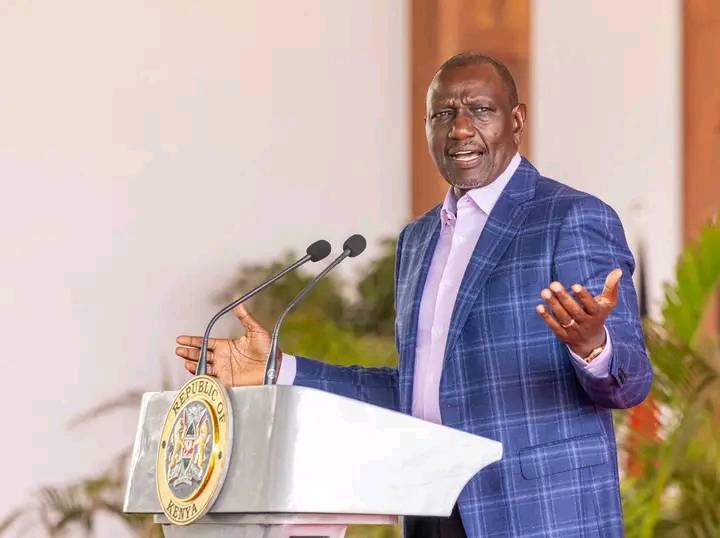
Now, with the 2027 election looming, Ruto is keen to negotiate a new deal with the IMF that could shape his re-election chances.
Economists are, however, skeptical about the timing and need for a new IMF program, especially so close to the election.
Churchill Ogutu, an economist at IC Group, argues Kenya is not in the same desperate spot as in 2020.
“Back then, we needed the IMF to signal to markets that we were stable. Now, the economy is not screaming for a programme,” he says.
Ogutu points out that Kenya’s currency has been stable, and the country has built up enough foreign reserves to cover four months of imports.
Ogutu doubts the IMF will soften its tough conditions, like fiscal reforms and structural benchmarks, just to suit Kenya.
“The last program collapsed in April 2025 because the IMF targets were too hard to meet in this economy. I don’t see the government taking that pain before the election,” he adds, predicting currency stability for another six months unless global shocks, like trade tariffs or geopolitical events like the USA, Israel and Iran war, hit.
Kwame Owino, an economist at the Institute of Economic Affairs, sees the government’s focus on the IMF as a sign of shaky confidence in Kenya’s economic indicators.
Owino believes a new programme could help Kenya secure affordable loans to refinance maturing dollar debts, boosting its credit ratings.
But he is worried about the conditions, especially the tight primary balance target that derailed the last program: “If the IMF doesn’t lower that target, it will be tough for Ruto to push reforms and win re-election.”
An IMF program signals to global markets that Kenya can meet its debt payments, helping keep the shilling stable.
This is critical because Kenya relies heavily on imports for food and energy, and a weak shilling can trigger sharp price hikes.
In 2022, fears over Eurobond repayments caused the shilling to plummet, doubling the cost of importing petroleum from KES 54 to KES 106. This led to cutbacks and an economic slowdown.
If a full IMF program is not feasible, Kenya could opt for a standby facility known as an insurance loan to protect the shilling against balance-of-payment shocks.
Kenya had a similar arrangement before 2020, but did not use it after a fallout with Kenyatta’s government.
Owino notes that Kenya’s reserves have been bolstered by CBK’s buying of dollars in the markets, accumulating quite a sizeable reserve that can cover four months of imports, strong remittances, recovering exports, and tourism, though the economy has not fully bounced back.
“Kenyans are feeling the pinch with less disposable income, which has lowered import demand and eased pressure on the shilling,” he explains.
Still, he cautions that the economy’s sluggish recovery and global uncertainties could make an IMF deal a safer bet.
For Ruto, a new IMF program could stabilize the economy but risks repeating the backlash from tough reforms.
The 2020 program’s tax crackdowns alienated voters, and the 2025 Finance Bill revolt showed how unpopular IMF measures can spark unrest.
With the election just over a year away, Ruto must balance economic stability with political survival.
A poorly timed or overly strict IMF deal could fuel public anger, while no deal might spook markets and weaken the shilling.
As Ogutu puts it, “Kenya is in a better place than 2020, but the IMF’s conditions have not changed. The government will have to weigh the cost of reforms against the election.”
Owino agrees, stressing that the talks’ outcome, especially the primary balance target, will be crucial. “If it’s too tough, Ruto’s team will struggle to sell it to voters,” he says.
Economic experts are in consensus that a new IMF deal could secure economic stability but risks political fallout for Ruto, making his path to 2027 trickier, with the economy and voters watching closely.