


By Bonface Orucho
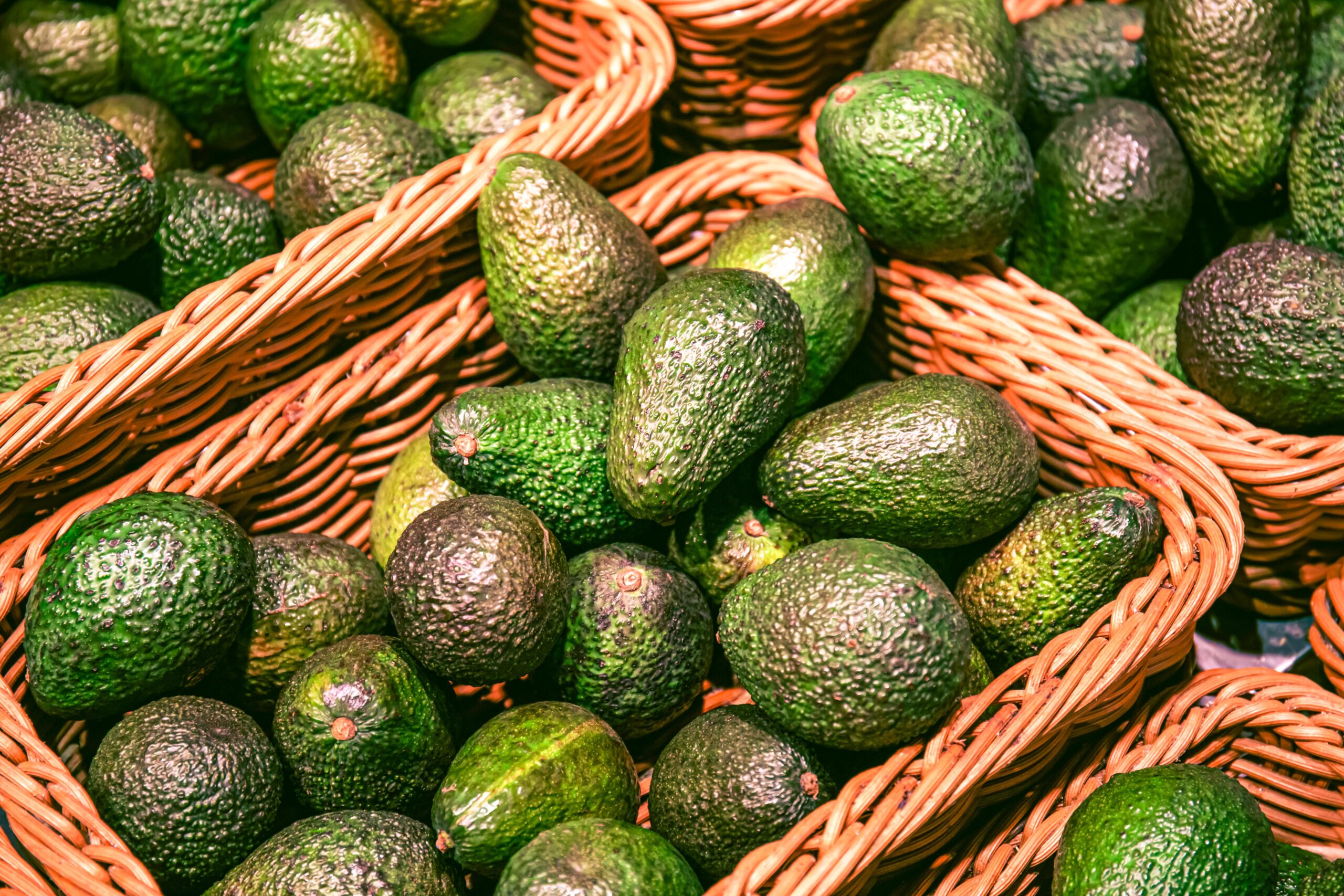
Morocco has overtaken Kenya as Africa’s leading avocado exporter, redrawing the continent’s horticultural map and signalling a deeper shift in how infrastructure, logistics, and policy now shape agricultural trade.
Preliminary 2025 figures from the Food and Agriculture Organization (FAO) show that Morocco exported approximately 141,000 tonnes of avocados in 2025, a 90 percent year-on-year surge that propelled the North African nation to the top spot for the first time.
Kenya, which had long dominated the trade in East Africa, slipped to second place after exports fell 19 percent to an estimated 105,164 tonnes.
Overall, Africa exported roughly 430,000 tonnes of avocados in 2025, marking a 16.7 percent increase from the previous year, according to the FAO’s Tropical Fruits Market Review.
Demand remained firm in the European Union, the Middle East, and parts of Asia. But while the continental total rose, the balance of power shifted north.
Geography and logistics redefine advantage
Industry analysts say Morocco’s ascent is as much about geography as it is about production.
Shipping times from Moroccan ports such as Tangier Med to southern Europe average just a few days. By contrast, Kenyan shipments to Europe, its primary market, have faced extended transit periods after disruptions along the Red Sea shipping corridor forced vessels to reroute around the Cape of Good Hope.
The diversions, triggered by security concerns near the Suez Canal in late 2024 and continuing through 2025, added weeks to voyages and pushed freight costs higher.
For a highly perishable fruit like avocado, longer transit times directly affect shelf life and quality. Exporters say this has narrowed marketing windows and increased rejection risks in European supermarkets.
Morocco’s proximity to Spain and France, combined with established citrus export corridors, has allowed it to scale rapidly.
According to 2025 trade data from Eurostat, Morocco strengthened its position across fresh produce categories including tomatoes, citrus, and avocados, consolidating its role as a key supplier to the EU market.
Beyond logistics, production trends have also favoured Morocco. Over the past five years, the country has expanded avocado acreage significantly, supported by irrigation investments and new orchards in regions such as Souss Massa and Gharb.
Export packhouses in Morocco have grown in tandem, aligning grading and traceability systems with stringent European retail standards.
Kenya’s domestic production, meanwhile, tells a more complex story. After erratic weather patterns reduced output in 2024, industry sources projected a modest 4 percent recovery in 2025 driven by expanded planted area and improved yields.
Counties such as Murang’a, Kiambu, and Nakuru remain the backbone of Kenya’s Hass and Fuerte varieties. However, improved farm output has not translated seamlessly into export growth.
Regulatory measures have also weighed on volumes. In late 2025, Kenya’s Agriculture and Food Authority suspended sea shipments during parts of the harvest season to curb the export of immature fruit after repeated quality complaints from European buyers. Some consignments were restricted to air freight, a more expensive channel that limits volumes and compresses margins.
Exporters say the move was necessary to protect Kenya’s reputation, but it reduced overall shipments during a critical marketing window.
Kenya’s challenges come as other African producers sharpen their strategies. South Africa continues to play a balancing act between stable volumes and market diversification.
According to industry body Subtrop, South Africa’s exports around 40 percent of its roughly 155,000 tonnes of annual production. Although port congestion in Durban and Cape Town posed challenges in 2025, volumes remained broadly stable.
Pretoria is actively seeking new phytosanitary approvals to expand exports to high-growth markets including India, China, and Japan, reflecting a broader recognition that technical compliance now drives trade as much as farm productivity.
On her part, Tanzania has consolidated its dominance in the Indian market. Exporters benefit from zero-duty access and relatively short transit times, giving Tanzanian fruit a competitive pricing edge.
An earlier start to Tanzania’s 2025 export season helped stabilise supply early in the year, although temporary election-related disruptions and flooding briefly opened space for Kenyan exporters to capture limited volumes.
Egypt is also positioning for scale. Producer-exporter Pico, one of the country’s early commercial avocado investors, plans to double its planted area over the next four years. Egypt’s export window from mid-November through February trategically avoids peak Latin American supply, allowing it to compete more effectively in European and Gulf markets.
On the demand side, Europe remains Africa’s anchor market. The World Avocado Organisation reports that European Union consumption surpassed one million tonnes for the first time in 2025, reaching approximately 1.07 million tonnes. The EU now absorbs around 30 percent of global avocado volumes.
For Kenya, the 2025 downturn reflects more than temporary shipping disruptions. Analysts point to a convergence of factors including climate variability affecting flowering and fruit sizes, rising input costs for fertiliser and transport; fragmented smallholder supply chains; and stricter enforcement of maturity indices after years of reputational strain in European markets.
Moreover, competition within Africa is becoming more organised. Morocco, Egypt, Tanzania, and South Africa are aligning government policy, export promotion, and infrastructure development in ways that integrate orchard expansion with cold-chain efficiency and trade diplomacy.
With Morocco now leading Africa’s export rankings, buoyed by proximity to Europe, expanding irrigated acreage, and integrated export systems Kenya faces a strategic inflection point of adapting logistics and quality control systems to a shifting global landscape or risk further erosion of market share.
This article has been republished with license from bird story agency: https://agency.birdstoryagency.com/stories/how-morocco-is-redrawing-africa-s-avocado-trade-map?locale=en