


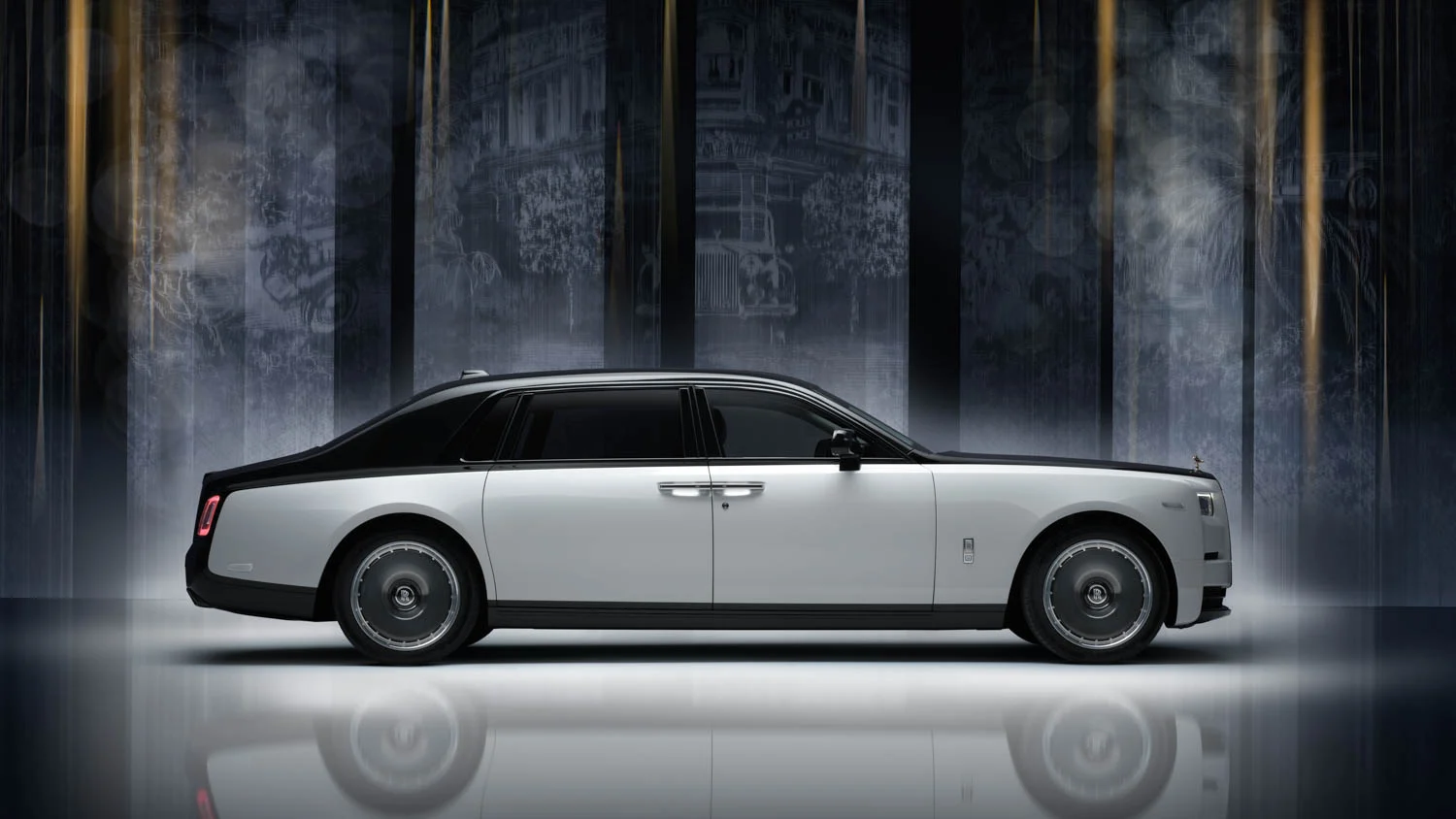
Bentleys, Ferraris and Rolls-Royces… are cruising through Africa’s cities. This rise in luxury car ownership comes as Africa’s middle class continues to grow. According to the 2025 Africa Wealth Report, Africa is home to 122,500 millionaires, 348 centi-millionaires, and 25 billionaires.
By Seth Onyango
Ownership of premium car imports priced above $100,000 (KES 13 million) is projected to grow over the coming years in Africa, driven by the rise in the number of millionaires and middle class on the continent.
In Nairobi’s upscale Westlands district, sleek Range Rovers, BMWs, and Mercedes-Benz SUVs are becoming as conspicuous.
This surge in luxury car ownership extends beyond Kenya, with premium vehicles, including higher-end automobiles such as Bentleys, Rolls-Royces, Mercedes G-Wagons, and Ferraris, increasingly popular in African cities like Lagos, Kampala, Kinshasa, and Johannesburg.
Africa’s luxury car market was projected to generate $499 million in revenue in 2025 for cars costing over US$100,000, according to Statista. The figure reflects a modest but steady expansion, driven by rising incomes, urbanisation, and shifting consumer preferences across the continent.
Unit sales are expected to reach 5,000 vehicles by 2029, with the average price per vehicle estimated at $102,000 in 2025. The market is forecast to grow at an annual rate of 1.02% between 2025 and 2029, reaching a total volume of $519 million by the end of the period.
Africa’s number of millionaires is expected to grow by 65% over the next decade, underscoring a structural shift in purchasing power.
The expanding wealth base is concentrated in countries like South Africa (41,100 millionaires), Egypt (14,800), Nigeria (7,200), Kenya (6,800), and Morocco (7,500), all of which are seeing increased demand for luxury vehicles.
Demand is concentrated in South Africa, where luxury car sales have risen consistently over the past decade. German brands dominate, but international manufacturers, including Lexus, Jaguar Land Rover, and Porsche, have expanded their presence, citing favourable conditions and a growing appetite for premium vehicles.
In Nigeria, celebrities and influencers are helping drive demand. Social media platforms are awash with images of musicians, actors, and business moguls posing beside bulletproof Mercedes-Maybachs and custom-painted Rolls-Royces. The vehicles are often imported through private dealers and showcased as symbols of success and status.
The Economist recently described Africa’s luxury goods market as “remarkably efficient,” despite regulatory gaps.
But there is a shady side of luxury consumerism. In an exposé on car theft and global trafficking, the publication found that nearly 40% of stolen vehicles from the UK end up in the Democratic Republic of Congo (DRC), which serves as a gateway to the wider African market.
The report attributes this to weak export checks and a fragmented container booking system.
“As Africa becomes wealthier, black market demand for stolen goods will only increase,” the article states, adding that both Africa and the Gulf are experiencing a rise in middle-class consumption.
The formal market, however, is also expanding. Improvements in infrastructure, favourable import policies, and access to financing have made luxury cars more attainable.
In countries such as Morocco and Mauritius, tax incentives and streamlined customs procedures have helped stimulate demand.
Trends in consumer behaviour are shaping the market’s evolution. SUVs and crossovers are gaining popularity, offering a blend of comfort, off-road capability, and prestige.
Hybrid and electric models are also entering the market, albeit slowly, as environmental awareness grows among affluent buyers.
“The growth may be incremental, but it’s consistent,” said Nairobi-based automotive systems dealer Martin Ogeto . “That’s strong signal in a region where there is still some volatility.”
Local conditions vary. In Nigeria, demand is tempered by currency instability and import restrictions. In Kenya, rising fuel costs and limited charging infrastructure have slowed the uptake of electric vehicles. Yet in both countries, luxury car dealerships report increased foot traffic and higher conversion rates.
The market’s expansion is supported by macroeconomic factors. Rising GDP, urbanisation, and increasing disposable incomes are creating a larger base of potential buyers. Financing options offered by banks and leasing firms have also made luxury vehicles more accessible.
While challenges remain, including poor road networks, limited after-sales service, and regulatory inconsistencies, the outlook is broadly positive. Manufacturers are investing in local partnerships, training programmes, and digital platforms to improve customer experience and brand loyalty.
Meanwhile, aftermarket opportunities are also expanding. Servicing, spare parts, and bespoke insurance products are emerging as lucrative side businesses, particularly as owners seek to protect high-value assets in markets where road and security risks are elevated.
Courtesy of bird story agency: https://www.bird.africanofilter.org/stories/expect-even-more-bentleys-and-rolls-royces-in-african-cities-as-luxury-car-ownership-ticks-up?locale=en