


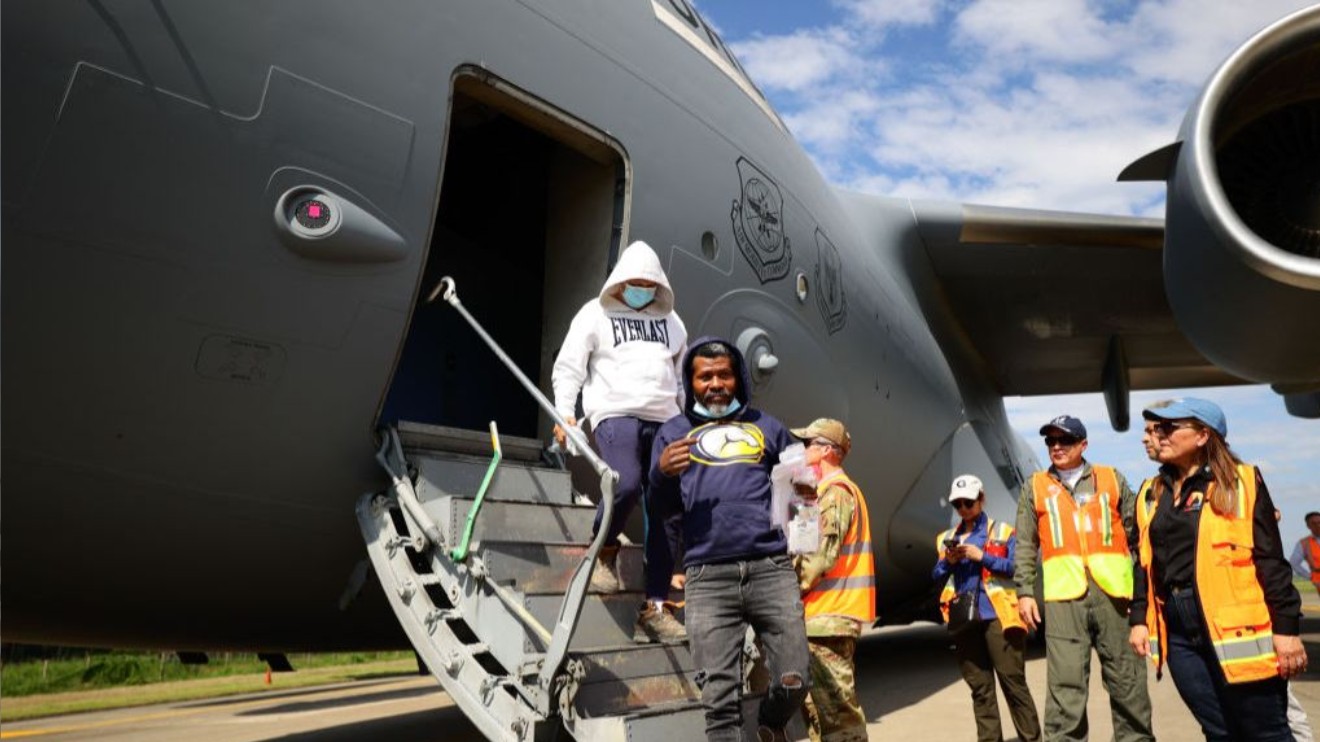
Washington, D.C. – August 25, 2025 – The Trump administration has broadened its deportation efforts by securing agreements with several countries in Africa and beyond to accept migrants removed from the United States.
Uganda became the latest to join the list, announcing a deal to take in third-country deportees from other African states, as part of a strategy to address what officials describe as a backlog in immigration enforcement.
The agreements, often referred to as “safe third country” pacts, allow the U.S. to deport individuals to nations willing to process their cases or resettle them, even if they lack direct ties to those countries.
This approach has been pursued aggressively since President Donald Trump’s inauguration in January, with the Department of Homeland Security (DHS) reporting that it enables the removal of migrants from uncooperative home nations.
DHS spokesperson Tricia McLaughlin stated that these deals represent a “major victory” for U.S. immigration policy, emphasising that they facilitate the execution of lawful removals.
In Africa, Rwanda was among the first to sign on, agreeing earlier this month to accept up to 250 deportees for resettlement.
Growing contingent on the continent
The East African nation, which has previously engaged in similar arrangements with other Western countries, confirmed the pact on August 5, though details on nationalities remain limited.
Eswatini followed in July, receiving five individuals from Vietnam, Jamaica, Laos, Cuba, and Yemen, according to U.S. officials.
The southern African kingdom’s government now faces a court challenge from human rights groups over the secretive nature of the agreement.
South Sudan has also committed to the program, joining Uganda as part of a growing contingent on the continent.
Additionally, the U.S. has approached other African nations, including Angola, Benin, Equatorial Guinea, Libya, Liberia, Senegal, Gabon, and Mauritania, though no formal deals have been announced yet.
Beyond Africa, the administration has finalised pacts with several Latin American and other countries. Honduras recently agreed to accept third-country migrants, similar to Uganda’s arrangement.
Receiving countries
Guatemala, El Salvador, Costa Rica, Panama, and Mexico have also signed on, with El Salvador receiving $6 million in U.S. aid to handle Venezuelan deportees.
Kosovo in Europe, along with Brazil, China, Colombia, India, and Venezuela, round out the list of nations cooperating on deportations.
Critics, including human rights organisations and opposition figures in the receiving countries, have raised concerns about the deals’ transparency and potential for abuse.
In Uganda, initial reports of the agreement were denied by officials before being confirmed, sparking domestic protests over fears of straining resources.
An opinion piece in Al Jazeera argued that such arrangements unfairly burden Africa, suggesting deportees be sent to Europe instead.
The Trump administration has countered that the pacts include safeguards, such as excluding criminals and minors, and provide economic incentives like aid and trade benefits.
As of this date, DHS has not released specific figures on deportations under these agreements, but sources indicate flights have already commenced to several destinations.
The expansion reflects Trump’s campaign pledge to prioritise border security, though experts warn it could strain international relations.