


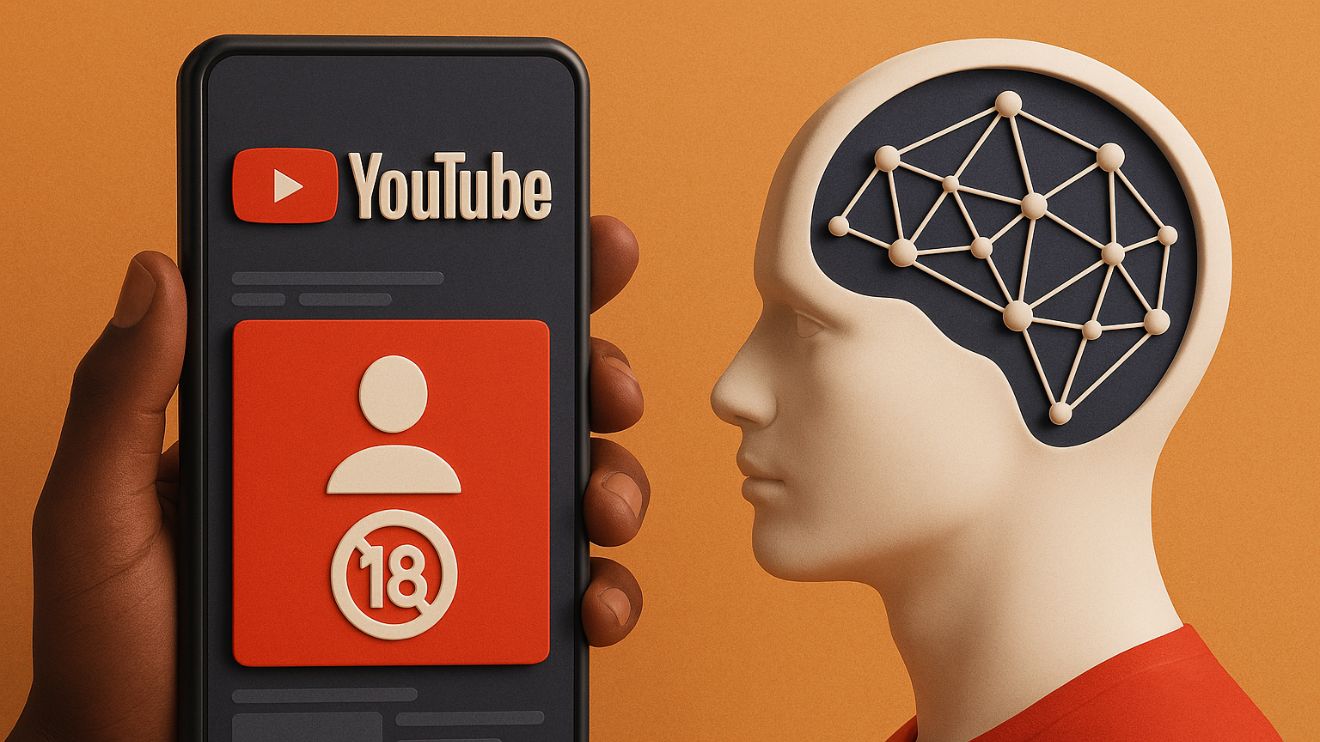
YouTube is rolling out a new artificial intelligence system designed to estimate users’ ages based on their activity on the platform, rather than relying solely on the date of birth provided during account registration. This move marks a significant change in how the platform enforces age-related rules and safety protections, especially for children and teenagers.
Why YouTube Is Introducing AI Age Estimation
For years, YouTube has depended on self-declared ages to determine who can access certain types of content. However, many users—particularly minors—often enter incorrect birthdates to bypass restrictions. As a result, younger users may gain access to content that is not age-appropriate.
The new AI system aims to close this gap by analyzing behavioral signals to estimate whether a user is likely under 18. These signals may include the types of videos watched, search history, engagement patterns, and how long the account has been active. By combining these factors, YouTube believes it can more accurately identify underage users and apply appropriate safeguards.
What Happens If the AI Thinks You Are Under 18
If YouTube’s system determines that a user is likely a minor, several automatic changes will be applied to the account. These measures are intended to improve online safety and promote healthier digital habits.
Key changes may include:
-
Disabling personalized advertising, meaning ads will be more general and not based on detailed user profiling
-
Activating digital wellbeing tools, such as reminders to take breaks or go to bed
-
Restricting access to age-sensitive or mature content
-
Adjusting recommendations to favor content considered safer and more suitable for younger audiences
These protections are similar to those already applied to known child and teen accounts, but the AI system allows YouTube to enforce them more broadly and consistently.
What If the AI Gets Your Age Wrong
YouTube acknowledges that AI-based age estimation is not perfect. Adults may sometimes be incorrectly identified as underage. In such cases, users will have the option to verify their age and restore full access to features and content.
Verification methods may include submitting official identification, confirming age through a credit or debit card, or using other approved verification tools. Once age verification is completed, restrictions placed by the AI system should be removed.
Privacy and Data Concerns
The use of AI to infer age based on viewing and interaction habits has raised privacy concerns. Critics argue that analyzing behavioral data to guess personal attributes could feel intrusive, especially if users are not fully aware of how their data is being interpreted.
There are also concerns about transparency, including what specific data signals are used, how long this data is stored, and whether it could be used for other purposes in the future. YouTube has stated that the system is focused on safety and compliance, but privacy advocates continue to call for clearer explanations and stronger safeguards.
What This Means for Everyday Users
For younger users, the change is likely to result in a safer and more controlled viewing environment, with fewer ads and stronger content protections. For parents, it may offer additional reassurance that age restrictions are being enforced more effectively.
For adult users, the impact may be minimal unless the AI system misclassifies their age. In that case, users may need to go through a verification step to regain unrestricted access.
Overall, YouTube’s AI age estimation reflects a broader trend across digital platforms toward stricter age verification and child protection measures. While the move aims to improve safety and regulatory compliance, it also highlights the growing role of AI in shaping online experiences—and the ongoing balance between protection, accuracy, and user privacy.