


Think of DRC and what comes to mind is a war that refuses to die.
The conflict, often dubbed Africa’s “World War,” has claimed millions of lives since the 1990s, morphing from a spillover of genocide into a tangled web of ethnic hatred, resource greed, and foreign meddling.
Yet, amid the chaos, flickers of diplomatic hope emerge, only to be dimmed by broken ceasefires and unyielding ambitions.
This is the story of a nation’s agony, and the faint paths toward redemption.
From Rwanda genocide’s ashes to continental catastrophe
The roots of the current DRC’s crisis trace back to one of the 20th century’s darkest chapters: the 1994 Rwandan genocide. In just 100 days, Hutu extremists slaughtered up to 800,000 Tutsis and moderate Hutus.
As the Tutsi-led Rwandan Patriotic Front (RPF), under Paul Kagame, seized power, over two million Hutus fled across the border into what was then Zaire (DRC).
Among them were genocidaires who regrouped into militias like the Democratic Forces for the Liberation of Rwanda (FDLR), using eastern Congo as a base to launch attacks on Rwanda.
This influx ignited the First Congo War (1996-1997).
Rwanda and Uganda, backed by other regional powers, invaded to dismantle these militias and topple Zaire’s long-time dictator, Mobutu Sese Seko, whose corrupt regime had harboured the fugitives.
The invaders installed Laurent-Désiré Kabila as president, but alliances fractured quickly. Kabila, fearing foreign influence, turned against his backers, sparking the Second Congo War (1998-2003), a brutal melee involving nine African nations and over 25 armed groups.
Rwanda, Uganda, and Burundi were on one side, supporting the anti-government rebels, while Angola, Zimbabwe, Namibia, Chad, and Sudan on the other, supporting the government forces, with Libya providing financial or military support to the DRC’s allies
Dubbed “Africa’s Great War,” it resulted in an estimated 5.4 million deaths from violence, disease, and starvation, making it the deadliest conflict since World War II.
Peace accords in 2002-2003 ended the formal war, but eastern DRC remained a powder keg.
The March 23 Movement (M23), named after a 2009 peace deal it claims the DRC government violated, emerged in 2012 from defected Congolese soldiers of Tutsi descent.
They argued for better integration of Tutsis into the army and protection from ethnic persecution.
M23’s resurgence in late 2021, after years of dormancy, reignited full-scale fighting, with the group capturing swaths of North and South Kivu provinces by early 2025.
A labyrinth of militias, borders, and betrayals
At the heart of the crisis is a dizzying array of actors, each with overlapping grievances and agendas.
Over 120 armed groups operate in eastern DRC, including the Islamist Allied Democratic Forces (ADF), linked to ISIS and responsible for massacres like the July 2025 church attack that killed dozens; the Cooperative for the Development of the Congo (CODECO), a Lendu militia clashing with Hema communities; and various “Wazalendo” self-defense groups backed by Kinshasa, some of which recruit child soldiers and propagate genocidal ideologies against Tutsis.
Ethnic divisions fuel the fire: Tutsis, often seen as “foreign” due to historical migrations, face discrimination in DRC, while Hutu militias like the FDLR perpetuate anti-Tutsi rhetoric.
Neighbouring countries add layers of complexity. Rwanda is accused by the UN, US, and DRC of providing “de facto control” over M23 operations, including troops, training, and weapons, claims Kigali denies, citing defensive needs against FDLR threats.
Uganda has been implicated in supporting M23 factions and exploiting mineral trade routes, while Burundi deploys forces alongside DRC troops.
The DRC government, under President Félix Tshisekedi, has allied with controversial militias, further blurring lines between state and non-state actors.
Weak governance exacerbates the mess. Corruption in Kinshasa, flawed 2023 elections, and the army’s (FARDC) ineffectiveness, plagued by defections and abuses, allow militias to thrive.
International players, including UN peacekeepers (MONUSCO), have struggled to fulfil their mandate.
They have been criticised for failing to protect civilians, and their mission is winding down amid local resentment.
Resources, rivalries, impunity
The conflict’s persistence isn’t just about ethnicity, as it’s a proxy war for wealth. Eastern DRC holds vast reserves of cobalt (over 70% of global supply), coltan, gold, copper, and tin, essential for electronics and green tech.
Armed groups, including M23, control mines like Rubaya, generating up to $800,000 monthly from coltan alone, funding weapons and operations.
Smuggling networks funnel these “blood minerals” through Rwanda and Uganda, where they’re laundered as local products, enriching elites and perpetuating violence.
Regional rivalries stoke the fire. Rwanda’s economic ambitions to become a mineral hub clash with DRC’s sovereignty claims, while Uganda’s infrastructure deals in Congo mask resource grabs.
Impunity reigns. Despite ICC convictions, like that of warlord Thomas Lubanga, many perpetrators evade justice.
Failed demobilisation programs and hate speech against Tutsis, amplified by Kinshasa’s propaganda, deepen divides.
Climate change and poverty add fuel, displacing communities into contested areas and making recruitment easier for militias promising protection or pay.
The devastating consequences
The toll is staggering. Since 1996, around six million have died, with 7,000 killed in early 2025 alone amid M23’s offensive.
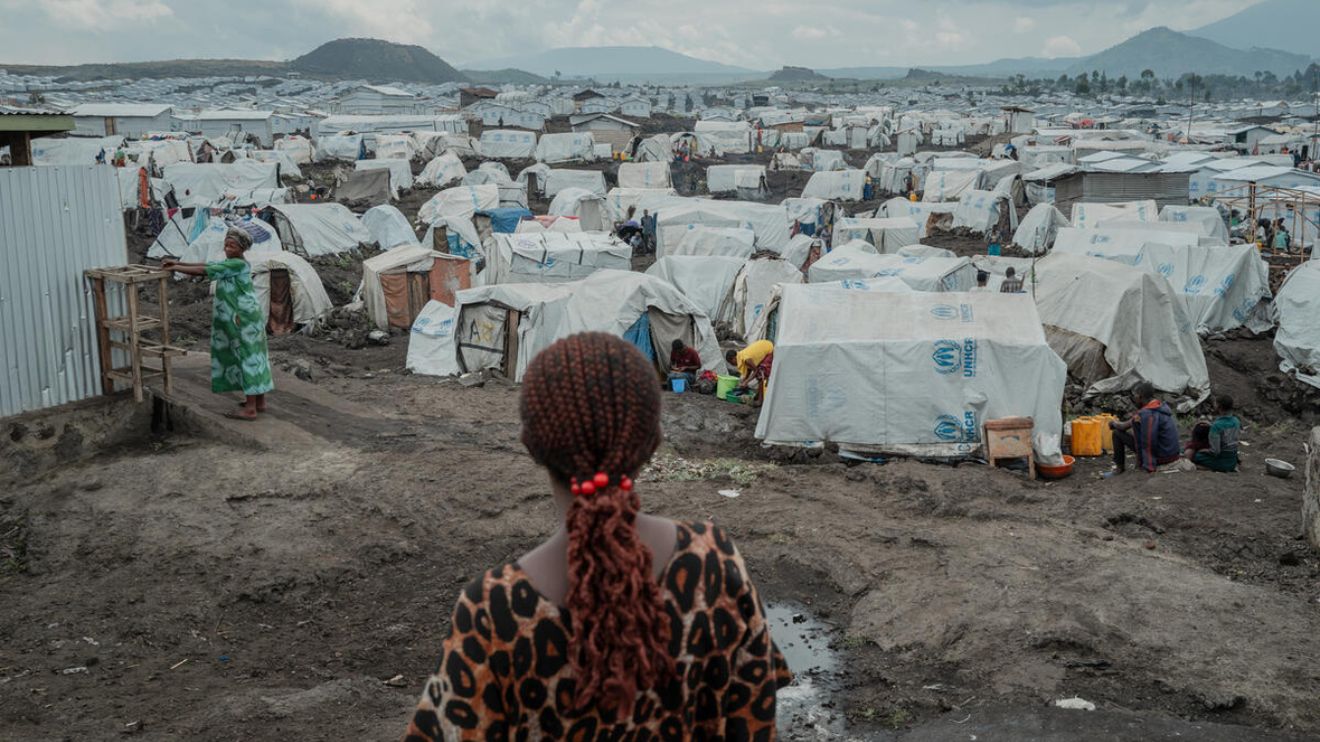
Over seven million are internally displaced, the world’s largest number from such a crisis, with camps bombed and services collapsed.
Sexual violence is rampant, with extrajudicial executions and surging gender-based attacks in 2024-2025, leaving survivors without aid as US funding cuts halted rape kits on President Donald Trump’s ascension to power earlier in the year.
Economically, DRC remains one of the poorest nations despite $24 trillion in untapped minerals; conflict disrupts trade, inflating food prices and causing famine for 21 million.
Children are conscripted, schools close, and diseases like cholera spread in overcrowded camps.
Regionally, refugees burden neighbours, risking wider war, echoing the 1990s’ multinational carnage.
Diplomacy amid the darkness
Peace seems elusive, but efforts persist. In June 2025, a US-brokered “Critical Minerals for Security and Peace Deal” between DRC and Rwanda aimed to end support for militias and secure mineral supply chains, potentially granting US firms access to cobalt amid global demand.
Qatar-mediated talks with M23 and Angola’s Luanda process seek inclusive dialogue, while Türkiye welcomed a July ceasefire.
Yet, challenges abound. The August 2025 peace deadline passed without a signed deal, clashes continue, and M23’s exclusion from some talks breeds distrust.
As the sun sets over Lake Kivu, the DRC’s crisis embodies Africa’s paradoxes of immense wealth amid profound suffering. Hope lies not in foreign deals alone, but in Congolese-led reconciliation.